Living Labs approach
Our five Living Labs serve as platforms to facilitate informal, peer-to-peer knowledge exchange through practical experience and fieldwork.
The Living Lab concept represents an optimal model for collaboration on strategic topics, as it is grounded in hands-on, field-based knowledge, peer-to-peer interaction, and innovative methodologies in science education.
Five Transnational Pilot Actions
Each Living Lab undertakes a site-specific Pilot Action focused on technology demonstration and transnational cooperation.
Each designated partner is responsible for coordinating and monitoring activities, conducting validation tests, and delivering dedicated knowledge transfer to SMEs, specialists, field technicians, farmers, and RIS3 managers.
The concept of Agri-Digital Growth Living Labs:
The Concept of Agri-Digital Growth Living Labs
The establishment of European Living Labs (LLs) in five countries represents a model initiative to foster a symbiotic relationship between theory and practice in the field of precision farming. Co-designed by all project partners, these LLs will serve as collaborative platforms where a diverse range of stakeholders—including agricultural industry representatives, technology providers, researchers, agricultural advisers, and farmers—can come together to jointly develop and rigorously evaluate innovative solutions in precision farming.
The primary objective of these LLs is to address the evolving demands of the agricultural sector while providing tailored educational support to meet the specific needs of SMEs. By leveraging the extensive expertise of universities and research centres, the LLs will facilitate transnational collaboration, bridging the gap between theoretical knowledge and practical application. Through the creation of authentic, real-world environments, participants will be able to actively explore, acquire, and refine the essential skills required for the successful implementation of precision farming technologies.
This collaborative and multidisciplinary approach will strengthen the Precision Farming Knowledge Transfer Ecosystem, driving innovation in precision agriculture and enhancing the growth and competitiveness of SMEs within the sector.
The LLs will support the development of a transnational ecosystem focused on two key areas:
- Educational Support
The LLs will function as educational hubs, addressing the learning needs of the workforce in small and medium-sized enterprises. Drawing on the academic expertise of universities, they will design and deliver a range of educational initiatives—including training programmes, workshops, and continuing education courses—specifically tailored to address skill gaps and knowledge requirements in precision farming. By equipping SME employees with up-to-date knowledge and practical skills, the LLs will empower them to adopt and effectively utilise precision farming technologies in their operations. - Industry Demands
The LLs will be aligned with the specific needs of the precision agriculture industry, focusing on the development of practical solutions to the challenges faced by SMEs. Collaboration between SMEs and universities will ensure that research and educational efforts are directly relevant and applicable to industry requirements.
The educational initiatives offered by the LLs will be interactive and hands-on, enabling participants to apply their learning in real-world scenarios. Through practical exercises, case studies, and collaboration with other stakeholders, SME employees will gain valuable insights and experience that can be directly applied to their daily work.
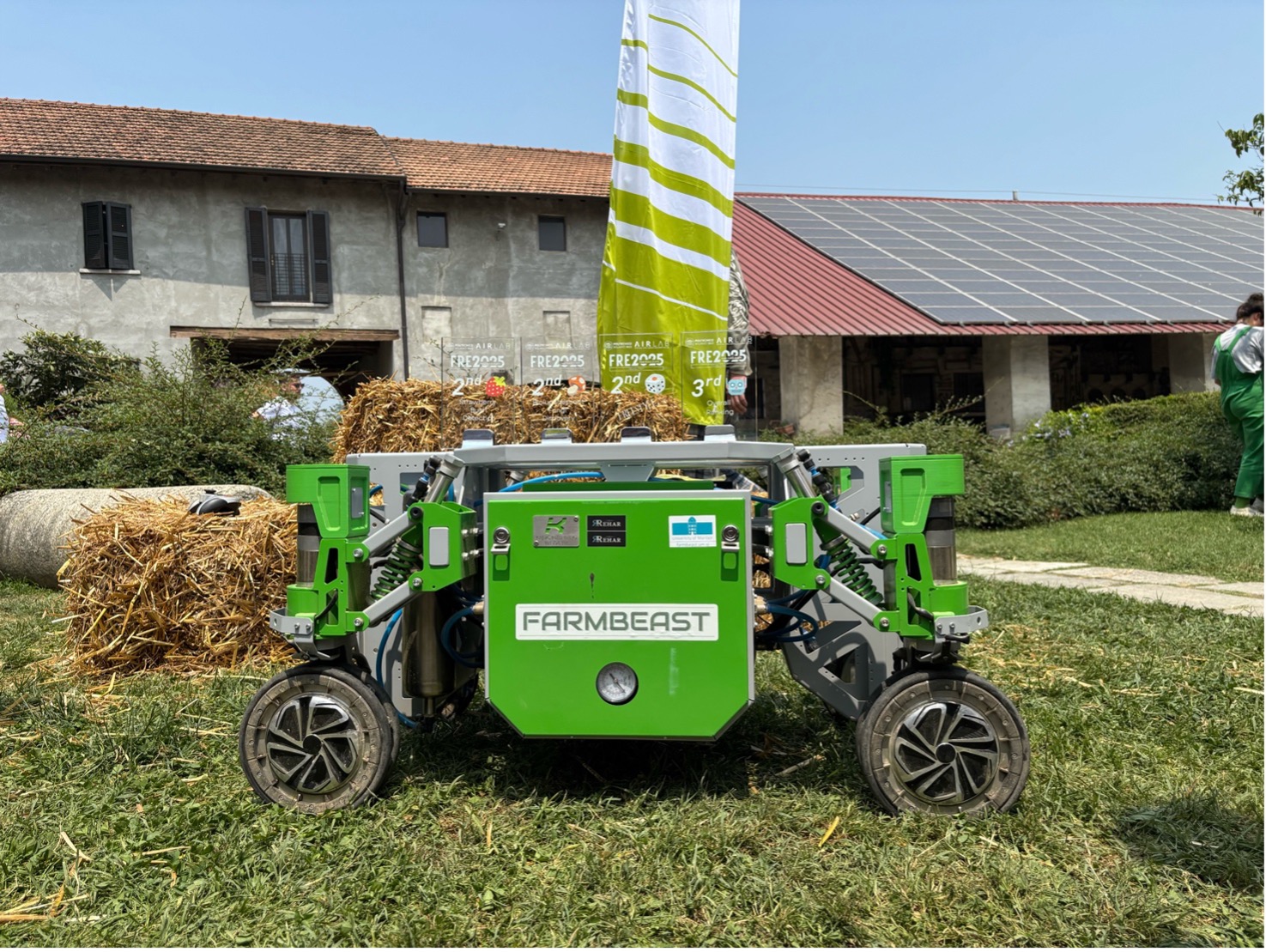
Slovenian Living Lab: the Agro-Robotics Living Lab
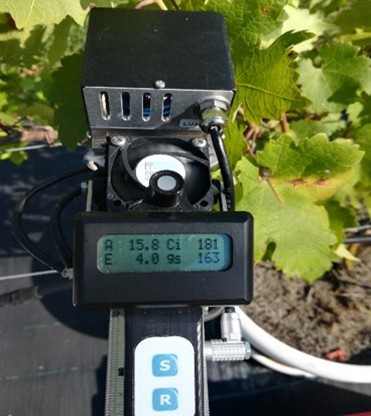
Italian Living Lab – AI-Powered Irrigation and Proximity Sensors (by CREA)
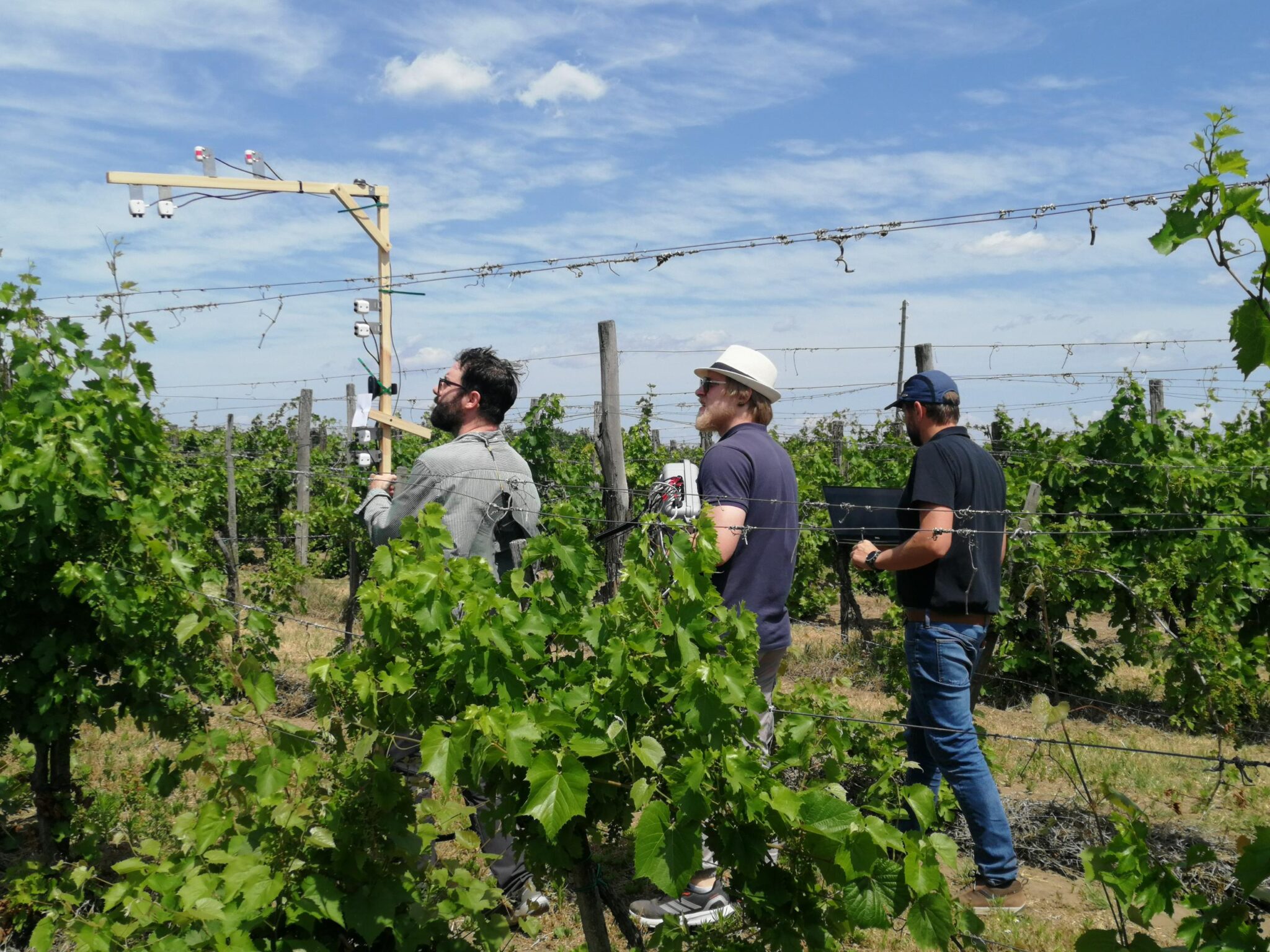
Hungarian Living Lab – Mobile Sensor Data Acquisition System (by MATE and LCM)
Czech Living Lab – Agrihub.cz innovation network